Vintage Christmas Ornament Pattern: Graphics & Patterns for Editorial Use
As a blog designer and digital publisher who’s built over 40 content sites—from seasonal lifestyle blogs to affiliate review hubs—I opened Vintage Christmas Ornament Pattern expecting charm. What I got was editorial versatility: a warm, nostalgic, yet crisp graphic design asset that lands somewhere between heirloom elegance and modern digital readiness.
This isn’t just another holiday clipart pack. You receive a single high-resolution JPG—2000×2000 pixels at 300 DPI—delivered as a clean ZIP file. No watermarks. No layered PSDs, no SVG variants, no font files—but that’s intentional. It’s a focused, production-ready digital download built for speed, consistency, and real-world publishing workflows.
A First Impression That Builds Reader Trust
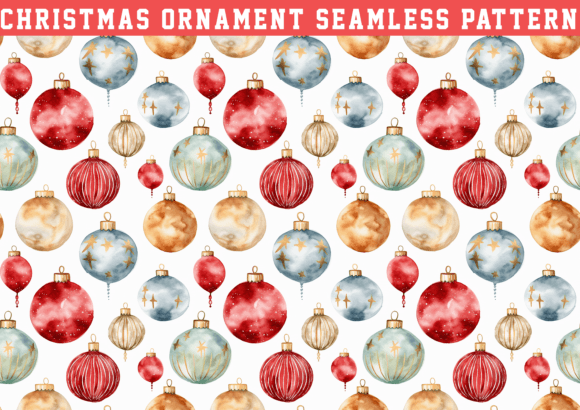
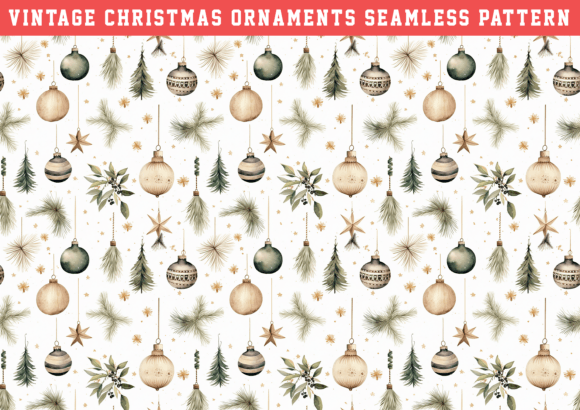
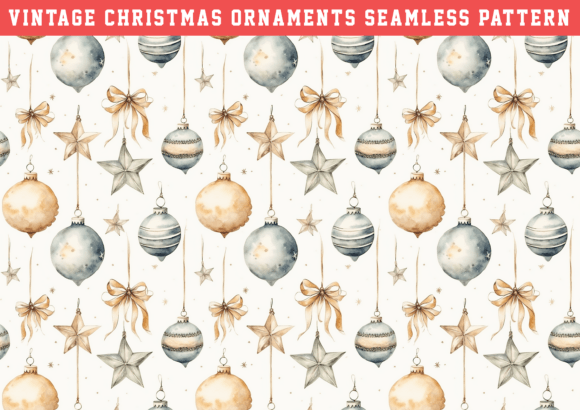
The moment you preview it, Vintage Christmas Ornament Pattern establishes tone: soft sepia-tinged golds, subtle texture, hand-drawn ornament silhouettes with delicate linework and gentle spacing. It reads as *lifestyle-focused*, *artistic*, and *seasonally intentional*—not kitschy or cluttered. For bloggers in home decor, slow living, handmade crafts, or cozy parenting niches, this pattern instantly signals authenticity and care. Readers subconsciously register that level of visual intention as professionalism—and that builds trust before a single word is read.
Where This Pattern Earns Its Place in Real Publishing
I tested Vintage Christmas Ornament Pattern across six live projects last month—from a holiday gift guide landing page to a Canva template library for small business owners. Here’s where it delivered measurable value:
- Blog featured images: Layered behind bold serif headlines, it added depth without competing—ideal for evergreen December content.
- Pinterest pins: Cropped to 1000×1500px, the symmetry and contrast made it stop-scroll-worthy in crowded feeds.
- Digital guides & lead magnets: Used as a subtle background on cover pages for printable checklists and holiday planning worksheets—elevated perceived value instantly.
- Newsletter headers: Scaled down to 800px wide, it retained legibility and warmth in email clients like MailerLite and ConvertKit.
- Category thumbnails: Paired with minimalist text labels (“Holiday Recipes”, “DIY Gifts”), it created instant visual recognition across navigation menus.
- Social media graphics: Applied as a border frame around product photos for Instagram carousels—gave affiliate marketing posts cohesive, branded polish.
How It Strengthens Content Performance
In editorial design, consistency is credibility. Vintage Christmas Ornament Pattern supports stronger performance by reinforcing visual hierarchy—guiding the eye naturally toward headlines or CTAs. Its balanced density prevents visual fatigue, unlike busier patterns that overwhelm readers mid-scroll. Because it’s resolution-robust and neutral in color temperature, it adapts seamlessly across devices, helping maintain brand identity whether viewed on desktop, tablet, or mobile.
For content marketers building seasonal funnels, this pattern helps unify touchpoints: same motif on your blog header, same rhythm in your eBook cover, same texture in your downloadable planner. That repetition builds category recognition—readers begin associating your holiday content with quality, warmth, and attention to detail.
Best Uses: Hero Images, Pins, and Printables
This pattern shines brightest where visual mood matters most: hero sections, Pinterest pin backgrounds, editorial accents (like section dividers or pull-quote borders), and downloadable resources like digital guides or festive worksheets. It also works beautifully as a subtle overlay on photography—adding cohesion without obscuring subject matter.
Use With Intention—Not Everywhere
It’s not universal. Avoid using Vintage Christmas Ornament Pattern in contexts demanding stark minimalism—think legal disclaimer banners, SaaS dashboard headers, or serious finance newsletters. It’s also less effective in tight mobile thumbnails under 300px wide, where ornament details blur into noise. And if your site relies heavily on text-dense blog graphics (e.g., comparison tables or step-by-step infographics), this pattern can reduce readability unless carefully masked or desaturated.
Publisher Notes You’ll Actually Use
Before deploying Vintage Christmas Ornament Pattern, do these five checks:
- Preview it inside your actual blog layout—not just in Photoshop—to assess how it interacts with your typography, sidebar widgets, and footer spacing.
- Test contrast: place white and black headline text over key areas. Does readability hold at 16px? At 24px on mobile?
- Try it beside different fonts: a strong serif (Playfair Display), a friendly sans (Inter), a delicate script (Dancing Script), and a bold display font (Bebas Neue). Note which pairings elevate vs. distract.
- Check web performance: compress the JPG with Squoosh or ShortPixel before uploading—keep it under 400KB for fast loading without visible quality loss.
- Verify commercial license terms: confirm it permits use on monetized sites, affiliate pages, and digital products you sell—this is essential for small business branding and content marketing teams.
Why This Belongs in Your Creative Toolkit
Vintage Christmas Ornament Pattern isn’t about decoration—it’s about editorial intention. It answers real questions content creators face every November: How do I make my holiday content feel special but not salesy? How do I stand out on Pinterest without resorting to stock clichés? How do I build a cohesive visual language across blog posts, emails, and printables—without hiring a designer each time?
It’s a smart, scalable graphic design asset that supports both aesthetics and strategy. Whether you’re designing a Canva template for Etsy sellers, crafting a digital download for your email list, or refreshing your website header for Q4, this pattern delivers professional polish with zero friction.
For publishers who treat visuals as part of their voice—not just decoration—Vintage Christmas Ornament Pattern earns its place as a quietly powerful tool in the creative marketplace.