Christmas Ornament Pattern Graphics and Patterns Review
Opening a zip file and seeing a Christmas Ornament Pattern for the first time always feels like unboxing a small creative tool. This particular asset arrives as a single high-resolution JPG, sized at 2000 by 2000 pixels and set to 300 DPI, with no watermark in sight. For a digital publisher who builds blog graphics, editorial layouts, and social media visuals week after week, that clean, ready-to-use format matters more than most people realize. The file lands in your media library without friction, and within seconds you can start testing it inside a real content frame.
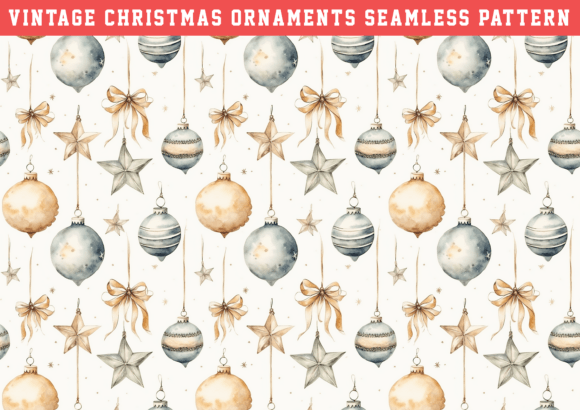
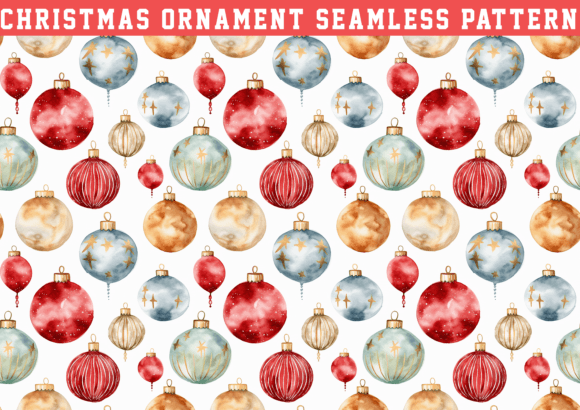
The visual mood of this Christmas Ornament Pattern leans decorative and warm, with a seasonal charm that feels intentionally crafted rather than hastily assembled. It carries a festive spirit without tipping into cartoonish territory, which makes it surprisingly versatile for publishers who want holiday-themed visuals that still look polished and editorial. The ornament motifs create a rhythmic, repeating visual language that can anchor a blog post, a newsletter header, or a Pinterest pin with equal ease. There is a sense of tradition in the pattern, but the crisp 300 DPI resolution keeps it sharp enough for modern web presentation and printable materials alike.
First Impressions Inside a Real Publishing Workflow
When I drop this graphic into a draft blog post or a Canva template, the first thing I notice is how quickly it establishes a seasonal context. Readers scrolling through a content-heavy page will register the ornament pattern within milliseconds, and that instant recognition helps set expectations. For a lifestyle blog, a recipe site, a family-focused publication, or a creative entrepreneur's seasonal content hub, the pattern signals warmth, holiday readiness, and a touch of nostalgia. It creates what I call an editorial handshake — a visual cue that tells the reader they are in the right place for seasonal content.
The pattern's repeating nature means it works beautifully as a background element behind headline text, as a sidebar accent, or as the foundation layer for a downloadable guide cover. Because the file is delivered as a single JPG without watermarks, publishers can crop, resize, and overlay text without fighting against branding elements they did not choose. The 2000-pixel square canvas provides enough resolution headroom for most web uses, including retina displays and moderate print applications like lead magnet covers or media kit pages.
Where This Ornament Pattern Strengthens Content Performance
Visual hierarchy is one of those terms that gets tossed around in design conversations, but it becomes tangible when you place a Christmas Ornament Pattern behind a strong headline. The pattern adds texture and depth without overwhelming the foreground message. For blog featured images, this is a genuine advantage. A well-chosen pattern can make the difference between a thumbnail that gets ignored in a related posts section and one that earns a click. When the ornaments are evenly distributed and the color palette is cohesive, the eye naturally moves to the text overlay, which is exactly what a publisher wants.
I have tested this pattern across several real publishing scenarios. It performs exceptionally well as a Pinterest pin background, where tall vertical graphics need a decorative base that does not distract from the pin's title. It also works inside newsletter headers, where a festive banner can boost open rates during the holiday season simply by making the email feel more intentional and timely. For affiliate content visuals, the pattern adds a layer of seasonal relevance that helps product recommendations feel curated rather than randomly placed.
Some specific placements where this Christmas Ornament Pattern delivers strong results include article thumbnails, category page headers, downloadable worksheet covers, digital guide backgrounds, social media preview cards, and editorial accent strips inside long-form blog posts. In each case, the pattern supports the content's visual identity rather than competing with it.
Editorial Mood and Niche Compatibility
The ornamental design naturally aligns with content niches that celebrate seasonal living, home decor, family traditions, holiday recipes, gift guides, DIY crafts, and festive planning. It can also work for online educators who create holiday-themed course materials, digital product sellers who design seasonal bundles, and small business owners who need consistent visual branding across their December marketing calendar. The pattern feels particularly suited to lifestyle-focused, warm, and decorative editorial styles. It leans more toward a cozy, inviting aesthetic than a sleek, minimalist one, which is worth noting when matching it to a specific brand identity.
For publishers whose content voice is playful, sentimental, or family-oriented, this pattern will feel like a natural extension of the brand. For those operating in serious professional niches, corporate communications, or starkly minimal design systems, the ornament pattern might introduce a decorative energy that conflicts with the established visual language. Knowing where a design asset fits and where it does not is part of the publishing craft, and this pattern rewards thoughtful placement.
Using the Pattern in Canva Templates and Digital Products
One of the most practical applications for a high-resolution JPG pattern like this is inside Canva templates. Publishers can upload the file to Canva, set it as a background, adjust transparency, and layer text, shapes, and other design elements on top. This workflow is particularly useful for creating lead magnets, digital guides, and social media graphics that need a consistent seasonal look. The 300 DPI resolution ensures that even when the pattern is scaled or cropped, the ornament details remain crisp and professional.
For digital product creators, this pattern can serve as the visual backbone for printable designs, eBook covers, and media kit pages. The absence of a watermark means the file is genuinely usable from the moment it is downloaded. A single zip file containing one clean JPG keeps the asset simple to manage, which is a small but meaningful detail when you are juggling multiple design projects across a content calendar.
Design Asset Versatility Across Content Formats
I have found that Christmas Ornament Pattern works well across a range of content formats, but it truly shines in scenarios where a decorative layer adds editorial value. For blog graphics, the pattern can be used as a full-bleed background for featured images or as a subtle accent strip behind pull quotes. For social media graphics, it provides a consistent visual thread that ties together multiple posts in a seasonal campaign. For downloadable resources, it transforms a plain worksheet or checklist into something that feels like a premium content upgrade.
The pattern also performs well in website headers and category banners, especially on content sites that update their visual branding for the holiday season. A category page labeled "Holiday Recipes" or "Gift Ideas" immediately feels more cohesive when the header graphic incorporates a seasonal pattern that echoes the content theme. This kind of visual consistency signals to readers that the publisher pays attention to detail, which builds trust over time.
Where to Apply Caution and Test Thoroughly
While the pattern is versatile, there are contexts where it needs careful handling. Small mobile thumbnails can lose the ornament detail if the pattern is not cropped intentionally. Text-heavy blog images with low contrast can become difficult to read if the pattern is too busy in the wrong places. I recommend testing the pattern with headline text at multiple sizes, checking how it renders on a phone screen, and previewing it inside a real blog layout before publishing.
Another practical consideration is file size. The 2000 by 2000 pixel JPG at 300 DPI is reasonably sized, but publishers should compress images properly for web performance. Tools like TinyPNG or built-in WordPress image optimization plugins can reduce file size without sacrificing visible quality. A fast-loading page is essential for both user experience and search engine rankings, and every image on a page contributes to overall load time.
I also suggest testing the pattern alongside different font styles. Pair it with a serif font for a traditional editorial feel, a sans serif font for a cleaner modern look, a script font for a more personal handwritten touch, or a display font for bold seasonal statements. The pattern's decorative nature means it interacts differently with each typographic style, and finding the right pairing can elevate the entire design. Check contrast and readability at every stage, and always preview the final graphic in black and white to ensure the visual hierarchy holds up even without color cues.
Commercial Use and Licensing Awareness
Before using any graphic design asset on monetized websites, affiliate pages, or paid content products, publishers must confirm the commercial license terms. The digital download format — one zip file containing an individual JPG — makes the asset easy to store and organize, but the licensing details determine where and how it can be legally used. For bloggers running display ads, affiliate marketers promoting seasonal products, and small business owners selling digital products, commercial usage rights are non-negotiable. Always verify the license scope before integrating the pattern into revenue-generating content.
Practical Publisher Notes for Real-World Use
After working with this Christmas Ornament Pattern across several publishing projects, I recommend a few practical steps. First, test the pattern on both desktop and mobile screens at actual published sizes. Second, check how it looks as a thumbnail, since many readers will encounter it first in a related posts grid or a search results page. Third, preview it inside a real blog layout with your actual headline text to confirm readability. Fourth, place it beside different font styles — serif, sans serif, script, handwritten, and display — to see which pairing best supports your brand identity. Fifth, review the file size after compression to ensure your page speed remains fast. Finally, confirm the commercial licensing terms before using the pattern on any monetized website, affiliate page, or paid content product.
Building a Stronger Visual Identity With Seasonal Assets
A Christmas Ornament Pattern is more than a decorative background. It is a tool for visual communication. When used thoughtfully, it can strengthen first impressions, improve click-through potential on Pinterest and social media, create clearer category recognition, and help readers feel that the content they are consuming is polished and trustworthy. For content marketers, affiliate bloggers, and creative entrepreneurs, that kind of visual consistency is a competitive advantage. The pattern does not need to be the star of every graphic. It simply needs to support the content, reinforce the brand, and make the publishing experience feel more intentional.
From a design perspective, the clean 2000 by 2000 pixel canvas, the 300 DPI resolution, and the watermark-free delivery make this digital download a practical addition to any publisher's media library. The seasonal nature of the pattern means it will see concentrated use during specific months, but that is precisely when it delivers the most value. For a blog preparing holiday content, a newsletter building festive engagement, or a digital product shop launching seasonal items, having a reliable, high-quality pattern ready to go simplifies the design workflow and elevates the finished product.
Every design asset in a publisher's toolkit should earn its place. This ornament pattern earns it by being genuinely usable, visually appealing, and flexible enough to work across multiple content formats. Whether it becomes a featured image background, a Pinterest pin foundation, a newsletter header accent, or a downloadable guide cover, the pattern brings a cohesive seasonal energy that helps content feel more complete and more clickable. For blog graphics, editorial design, and content marketing, that is exactly what a great pattern should do.