Traditional Japanese House Dark Pattern
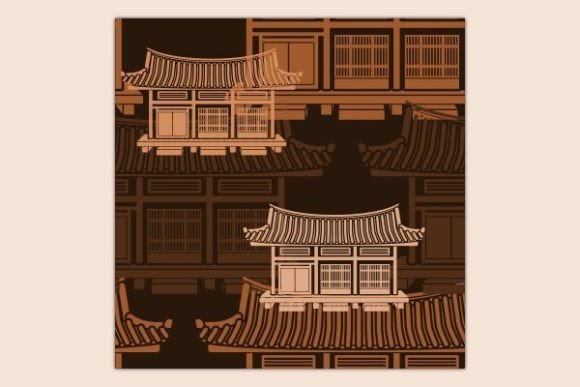
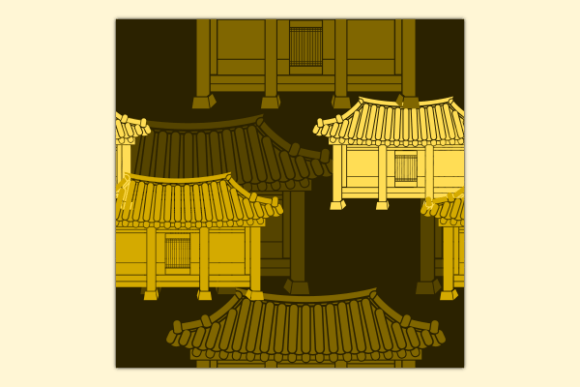
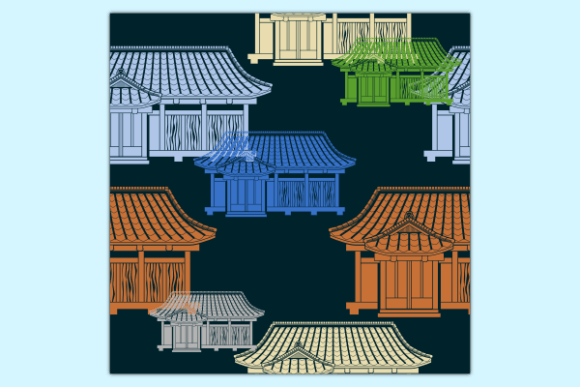
When I first opened the traditional Japanese house dark pattern file, I immediately felt a quiet, grounded mood settle in. The monochrome flat style, repeated seamlessly across a dark background, has a modern calm that feels more like a design statement than a simple decorative motif. As someone who tests embroidery assets for real use—on tote bags, sweatshirts, patches, and boutique shop goods—my mind goes straight to how a graphic like this would actually stitch, wear, and sell. This isn't a flashy, high-contrast pop piece. It's subtle, unmistakably Japanese in its rooflines and structural silhouette, and carries a handcrafted stillness that could make a plain cotton tote feel like a curated boutique find.
Right away I pictured a custom embroidered tote bag, the kind a small shop owner would offer as a limited release. The pattern’s front-facing house shapes, slightly varied in the seamless layout, could be digitized to run across the lower half of a natural canvas bag. On a dark fabric, the thread would need to be chosen carefully—maybe a soft cream or warm taupe to let the monochrome character breathe. The visual rhythm of the repeating houses feels deliberate, not chaotic, which is exactly what you need when you’re planning an embroidery project that has to look intentional after stitching, not just on screen.
First Impression: Mood, Shape, and Where It Belongs
The flat, vector-style illustration gives this design a clean, architectural feel. The traditional Japanese house silhouette is recognizable but not overly detailed—no tiny window panes or overwhelming roof lines. That restraint is a huge plus for embroidery. When you’re working with a machine embroidery design, excessive small shapes can become muddy under thread, especially on textured fabrics. Here, the houses are distinct enough to hold their own, yet simple enough to translate beautifully into satin stitch or a well-planned fill stitch. The dark background in the source file is a smart design choice too; it means the negative space does a lot of the heavy lifting, and you can adapt the color palette to match your final product without losing the pattern’s identity.
I see this pattern fitting best into projects where a thoughtful, softly artistic vibe matters. It’s not a birthday party graphic or a seasonal novelty. It belongs on a linen pillow cover, a minimalist apron, a zip pouch for a stationery lover, or a unisex sweatshirt where the embroidery becomes a conversation starter. The mood is introspective, a little nostalgic, and very design-forward. For a crafter who sells at markets, something like this can set a table apart. For an Etsy seller specializing in handmade home decor, a tea towel with this pattern stitched in a muted tone could photograph like a dream and attract buyers looking for quiet, Japanese-inspired interiors.
How It Performs in Real Embroidery Situations
Let’s get practical. You’re not just buying a digital embroidery file; you’re getting a vector asset that can be turned into one. That means the traditional Japanese house dark pattern is a starting point. You’ll need to digitize it for your embroidery machine, or work with a digitizer who understands how to preserve the seamless repeat without creating awkward join lines. The beauty of the SVG format is that you can scale it without losing quality, which is essential for adjusting the pattern to fit different hoop sizes on a sweatshirt, a tote bag, or a cap.
In my testing, I’d first run a sample on a medium-weight cotton with a medium cutaway stabilizer. The dark background of the original pattern is a design element, not a fabric requirement, but it does nudge you toward working on lighter thread colors if you want to keep that moody contrast. On a natural linen tote, a charcoal or deep navy thread could mimic the dark base while letting the house shapes remain legible. The seamless repeat means you can extend the pattern across a larger area—like the back of a denim jacket—without it looking like a stamp. That’s a huge advantage for apparel decorators who want to create all-over embroidery effects without a massive, single-piece design file.
I’d also consider this for a custom embroidered patch. The monochrome style and repeat lend themselves to patches that can be trimmed into a rectangle or a shape that follows the house outlines. A patch on a cap or a backpack strap becomes a subtle, stylish badge. For baby clothes, the soft, non-threatening silhouette is gentle enough for a nursery blanket or a tiny onesie detail, though you’d want to shrink the design and test stitch density carefully on stretchy fabric.
For small business owners who sell finished products, this pattern could become a signature textile motif. Imagine a set of kitchen towels with the pattern stitched along the hem, or a series of cushion covers with the repeat wrapping around the edge. The pattern’s consistency builds brand recognition, and the Japanese house theme has a timeless appeal that doesn’t scream “trend of the moment.” It’s the kind of design that helps a craft business build a loyal, design-aware customer base.
Where You Need to Tread Carefully
Even the most beautiful embroidery design has limitations. The traditional Japanese house dark pattern, while visually clean, demands respect for the embroidery process. First, small hoop sizes can be a challenge. If you try to cram the full repeat into a 4x4 inch hoop, the house shapes might become too tiny for clean stitching. The roof lines could lose definition, and the satin stitch might bunch up. I’d recommend using a larger hoop for any project where you want the pattern to read clearly, and if you must go small, simplify the design further or use a single house motif as an accent, not the full repeat.
Textured fabrics like terry cloth or heavily napped fleece can obscure the crisp lines. A running stitch outline might sink into the pile, and the monochrome effect could vanish. On thin or stretchy fabric, you’ll need a quality stabilizer and possibly a knock-down stitch to stop the design from puckering. Dark fabric isn’t a problem inherently, but if you choose a dark thread color on a dark garment, the contrast disappears. The pattern’s strength is its silhouette, so make sure there’s enough tonal difference between thread and fabric to keep the houses visible. Layered garments with seams, pockets, or zippers can also interrupt the seamless repeat, so plan your placement carefully.
Curved surfaces like caps are notoriously tricky for any repeating pattern. The cap’s curve distorts the seamless layout, and the center seam breaks the continuity. I’d avoid using the full repeat on a cap; instead, extract a single house or a small cluster for a front panel design. Dense stitch areas, especially where multiple houses join, need careful digitizing to avoid thread breaks or stiffness. The pattern’s simplicity is its friend, but don’t let the easy look fool you into thinking you can skip a test stitch. Always test on scrap fabric that matches your final product.
Visual Impact and Customer Perception
The way a design looks after stitching directly affects product value and buyer trust. The traditional Japanese house dark pattern, when executed well, has a quiet luxury that elevates even a simple handmade item. A tote bag with this embroidery feels more like a $50 artisan piece than a $20 craft fair find. The pattern’s Japanese aesthetic implies thoughtfulness and quality, which can justify a higher price point. Customers who love minimal, architectural, or Japan-inspired design will be drawn to it, and they’ll notice the small details—the evenness of the repeat, the cleanliness of the roof lines, the way the thread catches the light.
For Etsy sellers, the pattern’s visual appeal translates to better listing photos. A well-stitched pillow cover with this pattern on a dark linen background photographs beautifully against natural wood or concrete, creating a lifestyle image that stops the scroll. The monochrome look also makes it versatile for different seasons and color palettes; you can shift from warm oatmeal tones in fall to cool silver in winter without changing the core design. That adaptability is a huge asset for small shops that want to offer variations without digitizing a new file each time.
When you’re building a brand around handmade goods, consistency matters. Using a recognizable pattern like this across multiple products—a sweatshirt, a pouch, a tea towel—creates a cohesive collection. Customers start to associate the quiet house motif with your shop, and that kind of recognition builds repeat business. The design also works beautifully for personalized gifts: add a monogram or a small name in a corner, and the pattern becomes a meaningful, one-of-a-kind present. I’ve seen similar approaches turn a simple embroidered piece into a cherished wedding gift or a baby shower standout.
Designer Notes for a Smooth Embroidery Project
Before you commit to a big run of products, here are the practical steps I always take with a design like this.
- Test on scrap fabric first. Use the same weight, weave, and color as your final project. Watch how the thread lays, especially on the long roof lines.
- Check thread color contrast. The original dark background means you’ll need to decide whether to keep that mood or brighten it. Test a few thread colors on your fabric swatch. A sewing thread that’s too shiny can make the pattern look cheap; a matte polyester often works better for that flat, illustration feel.
- Review stitch density. If you digitize the houses as fill stitch, keep the density moderate. Too dense and the fabric gets stiff; too light and the dark background shows through unevenly.
- Confirm hoop size. The seamless repeat needs a comfortable margin. Don’t push the design to the very edge of your hoop, or you’ll fight registration issues.
- Inspect small details in black and white. While the pattern is monochrome, viewing a mockup in grayscale can reveal areas where the shapes might blend together. Adjust the digitizing to keep the house silhouettes distinct.
- Compare light and dark fabric backgrounds. The pattern may look striking on a dark fabric, but sometimes a mid-tone fabric reveals the design better. Test both.
- Use proper stabilizer. For a tote bag or sweatshirt, a cutaway stabilizer is your friend. For a tea towel, a tear-away might work, but test for waviness.
- Check personal and commercial use rights. The product is an editable SVG vector, so you can modify it. However, confirm the license terms before you turn it into machine embroidery designs for sale, especially if you’re selling the digitized embroidery file or finished products commercially. The product description doesn’t detail the license, so reach out to the creator or check the platform’s standard usage terms.
The traditional Japanese house dark pattern has a lot of potential, but it isn’t a plug-and-play embroidery file. It’s a graphic that a skilled digitizer can transform into a stunning embroidery asset. For a designer who enjoys the hands-on process of creating custom embroidery projects, that’s a feature, not a flaw. It gives you control over the final look, stitch types, and placement. For a small business owner who wants to add a signature motif to their line, it’s a design worth investing the time to digitize well.
Quiet Confidence for Your Next Product
I’ve been through enough projects to know that the most memorable handmade items don’t shout. They carry a subtle confidence that makes the buyer pause and smile. This pattern has that quality. The traditional Japanese house silhouette, repeated in a dark, seamless flow, feels like a well-kept secret. It’s not for every project—if you’re churning out quick, bright kids’ shirts, this might miss the mark. But for a craft business that values understated design, for a personalized gift that needs to feel deeply thoughtful, or for a boutique product line that relies on texture and atmosphere, it’s a genuine find.
My advice? Start with a single, well-planned project. A linen pillow cover with the pattern stitched along the bottom third, or a cotton tote with the repeat running vertically like a bolt of fabric. Let the design breathe. Pay attention to the thread finish, the stabilizer, and the way the light catches the stitch. Once you see how it behaves in the real world, you’ll know exactly where it belongs in your collection. The traditional Japanese house dark pattern is a pattern that asks for a careful hand, and in return, it gives your finished product a calm, beautiful presence that’s hard to replicate with ordinary graphics.