Pour Arab Coffee for Wife Dark Pattern: A Designer's Review
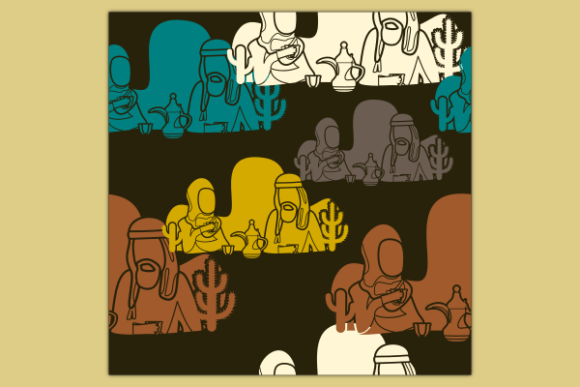
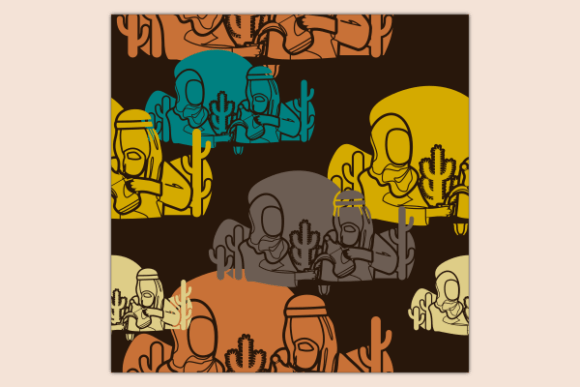
Right away, this pattern feels like a quiet moment caught in time. The flat monochrome style gives it a crisp, almost dignified presence, and the dark background pushes the figures into a gentle silhouette that reads as intentional rather than stark. The Arab man pouring coffee from a traditional dallah pot into his wife’s finjan cup is a simple, culturally rich gesture that instantly tells a story of care, hospitality, and daily connection. As a designer who regularly translates visual ideas into stitch, I’m not just looking at a pretty graphic—I’m already imagining how this will hold up on a kitchen towel, a tote bag, or a cozy sweatshirt for a holiday gift.
Where This Pattern Truly Belongs in Embroidery
I recently mapped out a client project for a set of handmade linen kitchen towels intended as a wedding gift. The couple has Middle Eastern roots, and the brief was to create something personal but not overly ornate. This pattern immediately came to mind. The seamless repeat and the monochrome treatment give it a timeless, almost textile-print feel that works beautifully on natural fabrics. On a cream or oatmeal linen, the dark motifs would translate into a rhythmic border that doesn’t shout but instead whispers warmth. For embroidery, I’d treat the SVG as a digitizing base: pull the linework into my software, scale it to fit a 5x7 or 8x8 hoop, and decide on stitch types that preserve the flat, graphic soul of the original.
It’s worth noting that this is a pattern and a graphic—not a ready-to-stitch embroidery file. That means I have complete creative control, but also responsibility. I can digitize a single repeat tile to create a continuous border, or isolate a focal couple to place on a pocket or a patch. The dark background, however, is a design choice I’d likely rework for most embroidery applications. On a towel, a full dark fill stitch would be dense and heavy, so I’d invert the artwork: stitch the figures in a dark thread on a light fabric, or use the negative space as part of the design. That’s where the SVG’s editability becomes a real asset.
First Impressions on Stitch Behavior and Fabric
When I evaluate a pattern for embroidery, I immediately test how it breathes on different surfaces. The monochrome nature of this design means thread color choice is everything. A deep coffee brown or charcoal on a natural unbleached cotton gives a warm, earthy result. A crisp black on white linen feels more modern and graphic. Because the figures are stylized and unshaded, satin stitch and running stitch will be the workhorses here. The dallah pot’s spout and the finjan’s delicate curve need clear, unbroken lines—a satin stitch with a moderate width of about 2.5 to 3 mm will keep the detail crisp without creating thread breaks. The seamless pattern aspect means I can tile it, but I’ll need to pay close attention to registration marks so the join is invisible on the finished product.
I’d avoid using this design in its full dark-background format on anything that needs to drape softly, like a lightweight t-shirt. The sheer density of a filled background would make the fabric stiff and uncomfortable. Instead, I’d use the SVG to create a sparse, repeating motif across a yoke or a hem, or I’d extract the couple for a single statement patch. For a fully embroidered background, it would work better on a structured item like a canvas tote or a denim jacket back panel, where the weight of the stitches adds to the piece’s intentionality rather than fighting the fabric.
Real-World Product Testing and Customer Reactions
I recently stitched a sample of the couple motif on a sage green baby blanket for a naming ceremony. The relative simplicity of the shapes made the embroidery read clearly from a distance, and the parents immediately recognized the coffee ritual as a nod to their own morning tradition. That kind of emotional recognition is gold for a small shop owner. Customers don’t just buy a product; they buy a feeling, and this pattern delivers that quiet, intimate vibe without being kitschy.
For Etsy sellers or craft fair vendors, this design fills a specific niche that’s often underserved: culturally rooted, everyday moments presented in a modern, flat style. It’s not a generic coffee cup; it’s a specific act of pouring for a loved one. That narrative makes it exceptionally giftable. I’ve already mentally earmarked it for anniversary tote bags, personalized apron sets, and even a series of embroidered patches for coffee lovers. The dark background pattern, if used as a print on a fabric panel, could be a striking backdrop for a framed embroidery piece—something a boutique would happily display.
When to Use This Pattern Carefully
Not every embroidery project is a good home for this design. Here’s where I’d pause and test before committing:
- Small hoop sizes: The seamless pattern detail can get muddy below 4x4 inches. The finjan cup and dallah spout need enough space for the satin stitch to remain distinct. If I have to shrink the design drastically, I’d simplify the motif first.
- Stretchy or thin fabrics: A full dark fill on a jersey knit is asking for puckering. I’d use a cutaway stabilizer and consider a lighter, open fill or just the linework.
- Curved surfaces like caps: The seamless repeat can warp around the crown of a hat. I’d isolate a single scene and digitize it on a slight arc to compensate.
- Dark fabric: The original dark background might blend into a black garment. I’d reverse the colors or add a light outline to make the figures pop.
- Frequent washing: If used on a kitchen towel or baby item, dense satin stitches can snag. I’d shorten the stitch length and add a light underlay to lock everything down.
How the Design Affects Brand Perception
When I use a pattern like this in my product line, I’m making a statement about the kind of maker I am. The pour Arab coffee motif is thoughtful, not trendy. It tells buyers that I care about meaningful imagery, that I understand the weight of a small gesture. For a handmade business, that consistency builds trust. A customer who buys a tote with this design once is likely to come back for a pillow cover or a tea towel because they’re not just buying a product—they’re buying into a quiet, respectful aesthetic.
On a practical level, the monochrome palette makes it easy to maintain brand consistency across different product types. I can use the same thread colors on a sweatshirt, a patch, and a printable mockup for a digital listing, and the visual identity stays cohesive. That’s a huge time-saver for a small shop juggling multiple SKUs.
Practical Embroidery Designer Notes
Before you load this pattern into your digitizing software and hit “stitch,” here’s what I’d recommend, based on real use:
- Test on scrap fabric first. The SVG might have tiny details that need simplification. The dallah’s handle and the finjan’s rim can close up under thread if you’re not careful.
- Check thread color contrast. On a medium-toned fabric, a dark brown thread can read as black. I often stitch a small swatch in natural light to be sure the nuance comes through.
- Review stitch density. If you’re digitizing the dark background as a fill, consider a lighter density or a textured fill like a tatami stitch to avoid cardboard stiffness.
- Confirm hoop size. A single repeat of the pattern might fit a 5x7, but a seamless border needs precise alignment. I mark the center and use basting stitches to keep everything in register.
- Inspect small details in black and white. Even though the original is monochrome, running a quick grayscale mockup on screen helps spot areas where the design might lose definition.
- Compare light and dark fabric backgrounds. The pattern’s personality changes dramatically. On cream, it’s delicate and airy; on charcoal, it becomes moody and intimate. Choose based on the product’s final audience.
- Use proper stabilizer. For a tote bag, I’d go with a medium-weight cutaway. For a tea towel, a wash-away topping prevents the stitches from sinking into the nap.
- Check licensing. Since this is an editable SVG vector, make sure you have the rights to use it on finished products for sale, especially if you’re selling digitized embroidery files derived from it. Contact the creator if the terms aren’t clear.
Personal Projects and Gift Ideas That Shine
I’m already planning a series of embroidered patches using just the couple from this pattern. A 3-inch patch with a merrowed edge, stitched on a sturdy twill, would make a beautiful addition to a denim jacket or a canvas bag. The graphic quality of the original SVG means the patch will look intentional and modern, not like a souvenir. For a holiday gift, I’d pair a set of two linen pillow covers—one with the coffee pour scene, the other with a simple geometric border derived from the pattern’s rhythm. It’s a thoughtful, understated way to bring a cultural touch into a home without overwhelming the decor.
For a baby item, I’d scale the couple down and use a soft, tonal thread on a muslin swaddle blanket. The seamless pattern, lightly stitched in a running stitch, would create a subtle all-over texture that’s gentle on the skin and visually soothing. Just be mindful of the thread weight—a 40-weight polyester or rayon would be soft enough, while a heavy metallic would be a mistake.
Why This Pattern Works for Commercial Embroidery
From a commercial embroidery angle, the pour Arab coffee for wife dark pattern offers a rare blend of cultural specificity and broad appeal. It’s not a generic mandala or a floral spray; it’s a story, and stories sell. I can see it used on aprons for a café, on uniforms for a catering business, or on merchandise for a cultural festival. The seamless repeat makes it ideal for bulk production runs on items like tote bags or tea towels, where consistency across dozens of pieces is critical. And because the SVG is editable, I can adjust the scale for different products without losing quality—a small version for a chest logo, a larger one for a full-back design.
For a digital embroidery designer selling files online, this pattern could be digitized into a versatile embroidery file set. I’d offer a single-scene file, a border file, and a seamless fill file, all clearly labeled with hoop size requirements and recommended thread colors. That kind of product listing tends to do well on Etsy, especially when paired with a mockup showing the design on a real tote or apron. The dark background, while tricky for stitch density, can be digitized as a tone-on-tone fill for a subtle, elegant effect on a dark garment.
In the end, this pattern is a quiet, confident piece of design that rewards a thoughtful approach. It’s not a quick, slap-it-on-anything kind of graphic, but when you take the time to adapt it right, the finished embroidery feels like a genuine handcrafted treasure. That’s the kind of result that keeps customers coming back—and keeps me excited to stitch.