Cute Christmas Element Seamless
First Impressions: Whimsy That Stitches Well
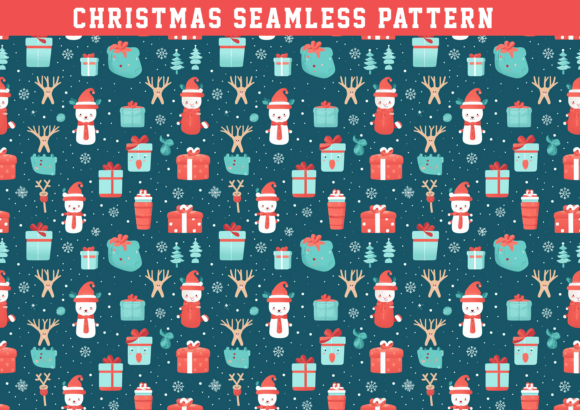
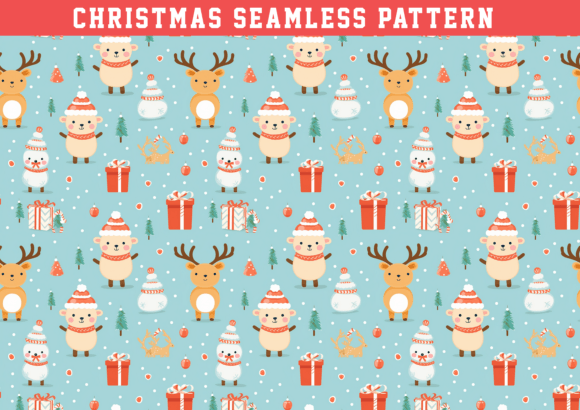
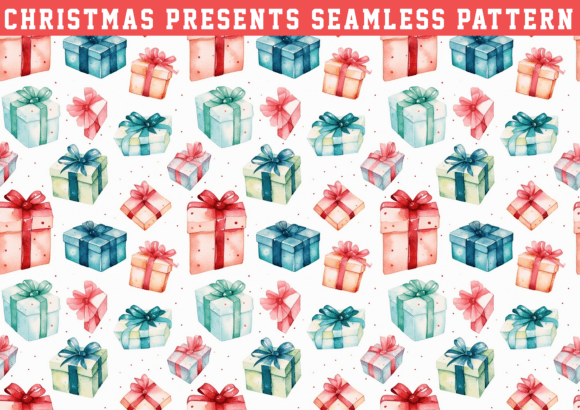
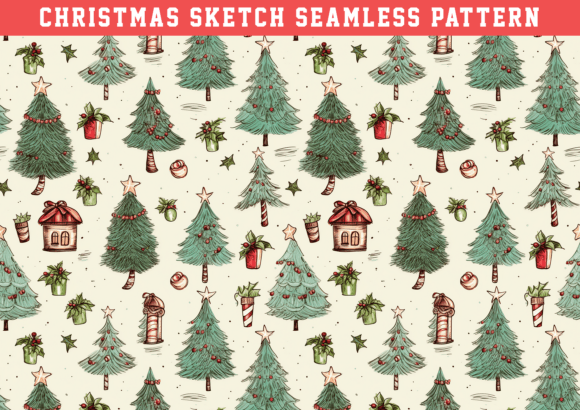
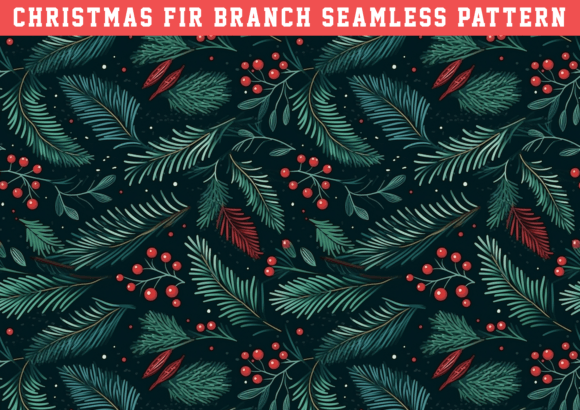
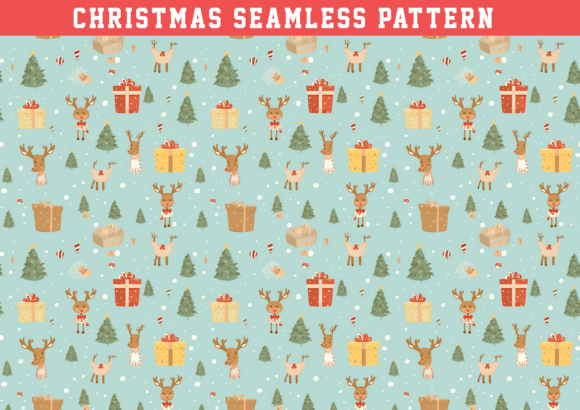
When I opened Cute Christmas Element Seamless for the first time, I didn’t just see a holiday graphic—I saw potential stitched onto a soft cotton tote bag for a local boutique’s holiday launch. The composition is light, balanced, and intentionally open: think tiny holly sprigs, minimalist stars, delicate snowflakes, and subtle candy cane stripes—all arranged to repeat cleanly without visible seams. There’s no heavy ornamentation or dense clusters, which immediately tells me this isn’t a “statement centerpiece” design. It’s a supporting player—elegant, cohesive, and quietly festive. It leans into charm over grandeur, making it ideal for handmade products where subtlety builds sophistication.
Real-World Use: From Sweatshirt to Tea Towel
I tested Cute Christmas Element Seamless as a border repeat on a navy sweatshirt cuff—and it worked beautifully. Because the elements are spaced with breathing room and avoid fine interior lines, the stitch-out stayed crisp even at moderate hoop sizes (think 4x4 or 5x7). On a linen tea towel? Perfect. The clean outlines and generous negative space let the fabric texture shine through without competing. For baby embroidery—say, a onesie hem or bib corner—it reads gently, not overwhelming. As an applique design base, it gives just enough shape to guide placement without demanding precision stitching in tight corners.
It also translated well to a custom embroidered patch for a small-batch apron line: when digitized properly, the seamless flow means no awkward breaks at the patch edge. And for Etsy sellers listing printable mockups? This JPG holds up flawlessly at 2000x2000px/300 DPI—crisp on screen, clear in product previews, and easy to layer into lifestyle shots without pixelation.
Where to Proceed With Care
Cute Christmas Element Seamless shines on stable, medium-weight fabrics—but tread thoughtfully on stretchy knits or thin voiles. Without built-in underlay or pull compensation (which a JPG can’t contain), those delicate connecting lines between elements may shift or pucker if stabilizer isn’t matched carefully. On dark fabric, especially charcoal or black, confirm your thread colors offer enough contrast: the design’s lightness depends on legibility, not density. And while it’s lovely on curved surfaces like caps, avoid placing the repeat directly over seams or high-stress bends—the lack of anchoring motifs means alignment needs extra attention during hooping.
Also note: because this is a Graphics file—not a machine embroidery design—you’ll need to digitize it first for actual stitching. That means evaluating how satin stitch edges will behave on satin-finish fabrics, or whether fill stitch areas might overwhelm lightweight cotton. Tiny details like snowflake centers won’t translate unless your digitizer preserves them intentionally. Don’t assume automatic conversion will honor the design’s rhythm.
What It Adds to Your Finished Product
This isn’t just decoration—it’s quiet brand reinforcement. When used on a small shop’s holiday kitchen towel set, Cute Christmas Element Seamless elevates perceived value without shouting. Customers notice the cohesion, the restraint, the handmade polish—not “clip art.” That builds trust, especially for personalized gifts where consistency matters across items (a matching pillow cover + mug sleeve + gift tag). It also supports brand consistency: if your craft business uses soft, earthy tones and natural textures, this design complements—not competes—with that voice.
For commercial embroidery projects, its seamlessness means fewer re-hooping stops and smoother production runs on repeat orders. And for digital product sellers bundling design assets, it’s versatile enough to pair with bolder lettering or serve as a standalone background pattern in SVG or PNG kits—just remember licensing terms before reselling the JPG itself.
Practical Designer Notes Before You Stitch
- Always test on scrap fabric first—especially with your exact stabilizer combo and thread brand. A JPG looks flawless on screen; thread tension and fabric movement change everything.
- Check stitch density in your digitized version. Overly dense fills will flatten the design’s airy feel; too sparse, and details vanish.
- Review small details closely. Those snowflake points? They’ll vanish if digitized below 0.8mm width—or get lost in lint on brushed fleece.
- Compare mockups on light and dark backgrounds. What reads sweet on ivory may disappear on heather grey.
- Use proper cutaway or tear-away stabilizer based on fabric weight—not just habit. Lightweight knits need more support than quilting cotton.
- Confirm commercial use rights before selling finished embroidered items or digital bundles containing this file.
- Test black-and-white versions—many customers preview embroidery in monochrome mockups, and contrast clarity matters more than color.
Final Thought: A Thoughtful Tool, Not a Trend
Cute Christmas Element Seamless won’t go viral for flash—but it will earn repeat orders from customers who appreciate intentionality. It’s the kind of Patterns asset that makes a holiday collection feel curated, not crowded. Whether you’re prepping a batch of personalized baby blankets, designing a boutique’s limited-run sweatshirt line, or building a digital embroidery file library for fellow crafters, this design earns its place by working *with* your process—not against it. It respects fabric, honors stitch limitations, and leaves room for your voice to come through. In a season full of noise, that kind of quiet confidence is rare. And useful.