Cute Christmas Element Pattern: Graphics & Patterns for Local Brands
As a brand designer who’s helped over 80 local businesses refine their visual identity—from artisanal candle makers in Portland to family-run bakeries in Austin—I recently evaluated Cute Christmas Element Pattern for a real-world holiday packaging project. We were developing seasonal labels and gift box wraps for “Hearth & Honey,” a small-batch honey and herbal syrup brand serving farmers’ markets and boutique grocers across the Midwest. Here’s my honest, field-tested review—not as a marketplace listing, but as a working creative professional assessing how this graphic design asset performs where it matters most.
First Impression: Warm, Whimsical, and Instantly Recognizable
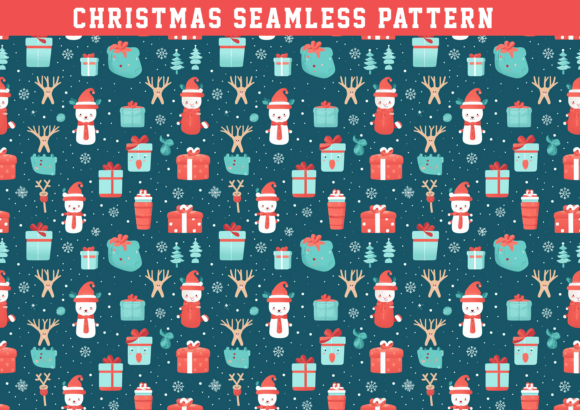
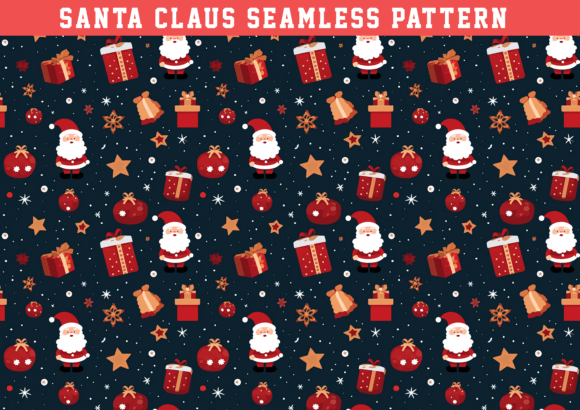
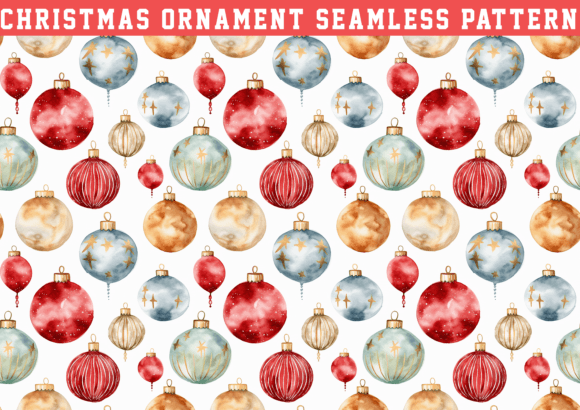
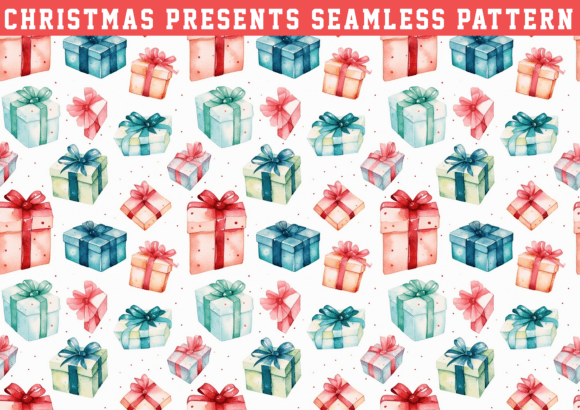
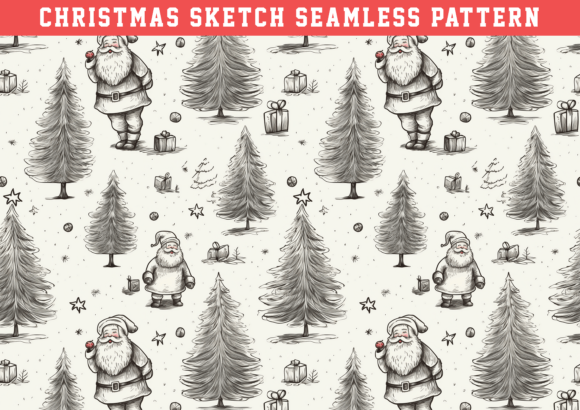
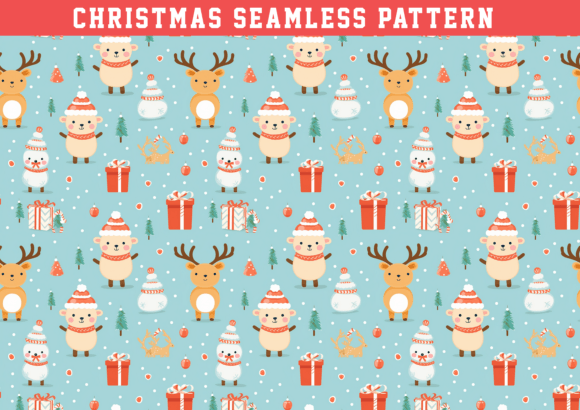
The moment I opened the file—You will receive 1 Zip file containing an individual JPG file—I noticed its joyful balance of detail and restraint. At 2000x2000px and 300 DPI, the pattern delivers crisp clarity even when scaled down to 2” x 2” on a product label or enlarged across a 24” x 36” in-store poster. It reads as friendly, handmade, and festive—not overly ornate or corporate. Think soft watercolor-style holly sprigs, tiny wrapped gifts, delicate snowflakes, and minimalist candy canes, all arranged with gentle rhythm and ample breathing room. It leans feminine and warm without feeling cloying—a perfect fit for skincare brands, children’s product lines, local florists, or organic food labels seeking emotional resonance over loud seasonal clichés.
Where It Shines in Real Small Business Branding
This isn’t just clipart—it’s a versatile branding layer that strengthens visual hierarchy and reinforces seasonal storytelling. For Hearth & Honey, we used Cute Christmas Element Pattern as a subtle background texture behind hand-lettered product names on amber glass labels. It added warmth without competing with legibility. We also applied it as a border element on thank-you cards tucked into gift boxes, and as a decorative frame around social media graphics announcing limited-edition holiday bundles.
- Packaging design: Works beautifully as a wrap accent on kraft boxes, jar sleeves, or folded hang tags—especially when paired with matte finishes or uncoated paper stock.
- Product label: Ideal for secondary visual zones (borders, corners, or background overlays) where brand voice needs soft seasonal signaling—not primary ingredient or regulatory text areas.
- Social media graphics: Scales cleanly for Instagram carousels, Facebook event banners, and Pinterest-ready printable designs like holiday recipe cards or DIY gift tags.
- Printable design & marketing visuals: Delivers strong shelf appeal on flyers, seasonal menu inserts, and in-store posters—especially when printed on textured or recycled substrates.
- Brand identity extension: When adapted thoughtfully, it supports logo design by reinforcing tone—e.g., pairing with a clean sans serif logotype to ground playfulness in professionalism.
What This Graphic Design Asset Actually Improves for Local Businesses
In practice, Cute Christmas Element Pattern elevates more than aesthetics—it builds trust. Customers scanning a crowded holiday market stall respond faster to cohesive, polished visuals. That subtle pattern on a soap label tells them, “This was made with care.” On a coffee shop’s holiday cup sleeve? It signals intentionality—not just decoration. It strengthens first impression, improves product recognition at arm’s length, and creates consistency across touchpoints: from website banners to sticker seals on takeout bags. For handmade businesses especially, it bridges the gap between craft authenticity and commercial polish—without requiring custom illustration budgets.
Smart Usage Boundaries—Where to Pause and Plan
While flexible, this asset isn’t universal. Avoid using it in formal corporate branding contexts or for luxury minimalist brands where restraint is core to identity. It’s also not ideal for very small labels (under 1.5”) unless tested rigorously—fine details like berry stems or ribbon loops can blur or merge at tiny sizes. Don’t place it directly behind dense legal text or ingredient lists; contrast suffers. And because it’s delivered as a high-res JPG—not SVG or layered PNG—it lacks vector scalability or transparency. So if you need to isolate individual elements (e.g., extract just the snowflake for a favicon), plan ahead with raster editing tools—or source supplemental assets.
Practical Brand Designer Notes You’ll Want to Follow
Before locking in Cute Christmas Element Pattern for client work or your own product line, run these checks:
- Test it on real packaging mockups—not just digital previews—to assess how it interacts with material texture, lighting, and print finish.
- Convert to grayscale to confirm legibility and tonal balance, especially if you plan black-and-white applications (think newsprint flyers or monochrome stickers).
- Preview it beside your brand’s core fonts: Does it complement a script font’s flow? Does it ground a bold display typeface? Does it overwhelm a delicate serif?
- Check compatibility with your brand colors—try overlaying light tints or subtle opacity adjustments to harmonize with existing palettes.
- Compare it against competitor packaging in your category. Does it stand out authentically—or risk blending in?
- Verify the commercial license explicitly permits use on physical products (e.g., printed labels, merchandise, retail packaging) and social media campaigns—some creative marketplaces restrict resale or mass production.
A Thoughtful Tool for Seasonal Small Business Branding
Cute Christmas Element Pattern won’t replace thoughtful brand strategy—but it does remove a common bottleneck: finding a cohesive, print-ready, emotionally resonant seasonal graphic design asset that works across packaging, digital, and in-person touchpoints. For local business owners, handmade sellers, and boutique marketers, it’s a time-saving, quality-assured foundation—not a shortcut. Used intentionally, it helps your product feel both special and sincere. And in today’s crowded marketplace, that quiet consistency—between your honey jar, your Instagram story, and your holiday card—is exactly what turns first-time buyers into loyal advocates.