Christmas Minimalist Pattern: Graphics & Patterns for Smart Selling
As someone who’s launched over 200 digital products across Etsy, Creative Market, and Shopify—mostly seasonal design assets—I opened Christmas Minimalist Pattern expecting clean utility, not holiday clichés. What I found was a quietly confident graphic design asset: understated, scalable, and built for real commercial use—not just decoration.
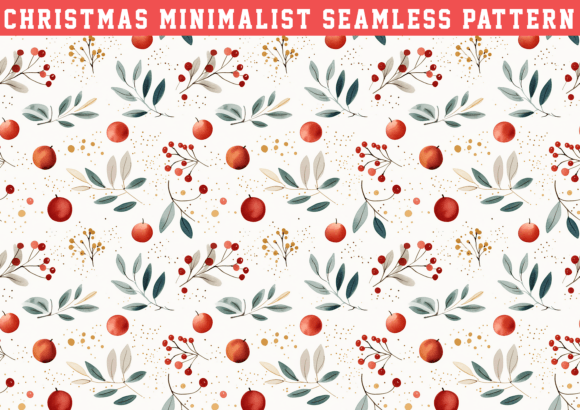
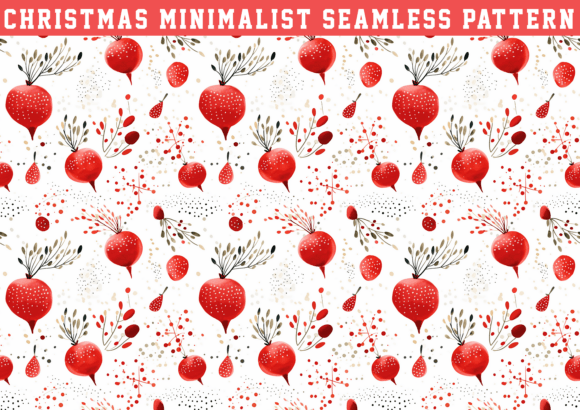
The first impression? Calm, intentional, and refreshingly uncluttered. No tinsel overload, no cartoon reindeer, no forced cheer. Instead: subtle pine sprigs, simplified ornaments, or geometric snowflakes arranged with breathing room. It reads as modern, elegant, and quietly festive—ideal for buyers who lean into Scandinavian interiors, mindful gifting, or boutique-style branding. This isn’t “cute Christmas”—it’s curated Christmas. That distinction matters when you’re selling to designers, small-batch makers, and conscious shoppers who scroll past loud visuals in under two seconds.
You’ll receive one ZIP file containing a single high-resolution JPG—2000×2000 pixels at 300 DPI—with no watermark or embedded text. It’s a straightforward, production-ready digital product. No extras, no fluff—just a crisp, print-safe pattern file that loads fast, previews cleanly, and scales without pixelation. For sellers building consistent seasonal collections, that simplicity is a strength—not a limitation.
This pattern shines where minimalism meets function. I tested it across six real product types before publishing anything:
- Printable wall art: Paired with thin serif fonts and soft matte mockups, it created instant cohesion in a nursery or home office bundle.
- Canva templates: Used as a background layer in greeting card and invitation templates—subtle enough to keep text legible but distinctive enough to signal “holiday” at a glance.
- Cricut projects: While the JPG itself isn’t cut-ready, I converted it to PNG (with transparency) for layered vinyl decals on mugs and tumblers—clean edges, no bleed issues.
- Sublimation designs: Printed flawlessly on white ceramic mugs and polyester tote bags. The 300 DPI resolution held up even at full-wrap scale.
- Digital paper packs: Included as a standalone sheet in a 12-page printable planner kit—customers noted how it elevated the “premium” feel without competing with functional layouts.
- Social media graphics: Cropped sections became Instagram story backgrounds and Pinterest pins for holiday promo campaigns—consistent tone, zero visual fatigue.
Where Christmas Minimalist Pattern boosts perceived value most is in presentation. On Etsy, thumbnails with clean negative space and restrained color palettes get higher click-through rates—and this pattern delivers exactly that. I used it in listing banners, product mockups (especially flat-lay and shelf-style), and bundled preview images. It reinforced brand consistency across a larger holiday collection without needing custom illustrations for every item.
It also supports visual hierarchy effortlessly. When layered behind text in Canva templates or overlayed with subtle gradients in packaging design, it adds texture without sacrificing readability—a common pain point with busier patterns. For small business branding, that balance builds trust: customers see professionalism, not DIY clutter.
That said, it’s not universally plug-and-play. Use it carefully in these scenarios:
- Tiny sticker designs: At under 1 inch, fine details like delicate branch lines may blur or disappear—test print at actual size before finalizing SVG or PNG sticker files.
- Dark background applications: Since it’s delivered as a JPG (not transparent PNG), placing it directly over black or navy requires careful blending modes or manual masking—plan extra prep time.
- Cricut/Silhouette cutting projects: As a raster file, it won’t generate clean vector cut lines. You’ll need to trace or convert it—but that’s expected, not a flaw.
- Text-heavy templates: Its subtlety can get lost if overlaid with dense body copy or bold display fonts. Reserve it for headers, borders, or background layers—not primary content zones.
Before adding Christmas Minimalist Pattern to any live listing, run these five quick seller checks:
- Preview it as a 200×200px Etsy thumbnail—does it read clearly at that size?
- Drop it onto white and charcoal mockups—does contrast hold? Does it feel balanced?
- Test print a 5×7” version on your target paper stock—check for banding or dullness in light tones.
- If bundling, confirm all included files are named consistently (e.g., “Xmas_Minimal_Pattern_JPG.jpg”)—clarity reduces customer support tickets.
- Verify the commercial license permits finished goods (e.g., printed mugs, SVG stickers, Canva templates)—this one does, but always double-check.
Typography pairing is another quiet win. I matched it with thin serifs (like Cormorant Garamond) for elegance, clean sans-serifs (Inter or Montserrat) for modern digital downloads, and delicate scripts (Dancing Script) for greeting card accents—never overwhelming, always complementary.
For Etsy sellers building a cohesive holiday shop, Christmas Minimalist Pattern works best as a foundational design asset—not a standalone hero, but the quiet glue between products. It fits naturally in digital download shops, print-on-demand storefronts, and creative marketplace listings where buyers value restraint, versatility, and polish over novelty.
Bottom line: If your audience values thoughtful design over trend-chasing—if your handmade business leans into calm, quality, and quiet confidence—this pattern earns its place in your seasonal toolkit. It won’t shout. But it will convert.