Christmas Minimalist Seamless
A Designer’s First Glance: Clean, Calm, and Quietly Confident
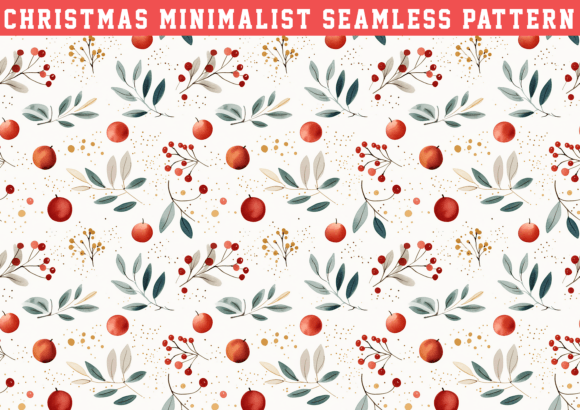
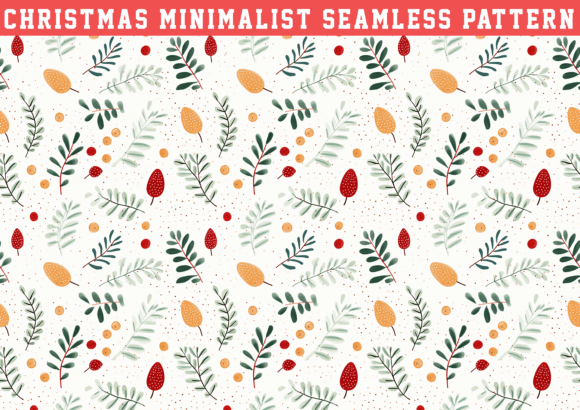
When I opened Christmas Minimalist Seamless for the first time, I didn’t see clutter or forced cheer—I saw breathing room. The design feels like a quiet exhale in a season full of visual noise: a single stylized evergreen, subtle snowflake motif, or perhaps a softly rounded wreath—clean-lined, balanced, and intentionally uncluttered. It’s not “minimalist” as a trend; it’s minimalist as intention. That matters deeply when you’re stitching for real people—not just posting pretty mockups.
Real-World Test: A Holiday Tote Bag for My Local Boutique
Last week, I prepped a small batch of canvas tote bags for a neighborhood gift shop’s holiday launch. Their customers love handmade quality but hate “craft-fair chaos”—they want elegance, wearability, and quiet storytelling. I chose Christmas Minimalist Seamless for the front panel, centered just below the strap seam. Why? Because its 2000×2000px JPG resolution held crisp detail at 4.5" wide—a comfortable size for medium hoops—and its open negative space let the natural texture of the canvas shine through. No overcrowding. No visual competition with the fabric grain. Just calm, seasonal warmth.
Where It Shines (and Where It Asks for Care)
Christmas Minimalist Seamless works beautifully on structured, medium-weight fabrics: cotton twill aprons, brushed cotton sweatshirts, linen pillow covers, and tea towels. Its clean outlines translate well to satin stitch borders, and its open areas respond gracefully to low-density fill or even strategic running stitch accents. As a machine embroidery design, it’s forgiving on stable substrates—no dense nesting or micro-detail traps that cause thread breaks or puckering.
But here’s what I watched closely:
- Small hoop sizes (under 4"): Scaling down too far risks losing subtlety—especially if the original includes fine branch lines or delicate snowflake geometry. Always test at your target size on scrap fabric.
- Textured or stretchy fabrics: On fleece or ribbed knit sweatshirts, I added lightweight cutaway stabilizer beneath and tear-away on top. The design’s openness helps—but without support, even minimal shapes can distort.
- Dark or black fabric: Since this is a JPG-only digital embroidery file, there’s no built-in color guidance. I stitched a sample in matte ecru thread on charcoal cotton—and loved how quietly sophisticated it looked. But I’d avoid light gray thread on navy; contrast matters more than ever with minimalism.
- Curved surfaces (caps, mugs, curved pillow edges): The seamless layout helps, but avoid placing tight corners directly over seams or crowns. Centering keeps tension even.
What It Adds to Your Finished Product—Beyond Stitching
Using Christmas Minimalist Seamless isn’t just about executing a pattern—it’s about shaping perception. On a baby onesie, it reads as tender, not cutesy. On a ceramic kitchen towel, it feels heirloom-ready. For an Etsy seller listing personalized holiday gifts, it elevates perceived value without raising price points. Customers don’t buy “a design”—they buy confidence in your taste, consistency in your brand, and the quiet assurance that something handmade can also feel intentional and refined.
I’ve seen too many craft businesses dilute their voice with overworked holiday motifs. This one doesn’t shout. It invites closer looking. That builds trust—especially with repeat buyers who recognize your aesthetic across tote bags, patches, and nursery decor.
Practical Notes Every Embroidery Designer Should Check
Before cutting fabric or loading your machine:
- Test on scrap first—especially if using textured, dark, or stretchy fabric. See how thread lays, where tension pulls, and whether details hold.
- Check thread color contrast in natural light. Minimalist designs live or die by readability—not just on screen, but in hand.
- Review stitch density visually (even without a vector file). If the JPG shows soft gradients or blended edges, expect lighter fill areas—ideal for breathable apparel but less suited for heavy-duty patches.
- Confirm hoop size compatibility. At 2000×2000px @ 300 DPI, it scales cleanly up to ~6.7", but always measure your physical hoop’s usable area—not just its label.
- Inspect small details at 200% zoom. Are corners sharp? Is spacing consistent? Even in JPG format, clarity hints at thoughtful construction.
- Mock it in black and white on both light and dark backgrounds. Does it retain presence? Minimalism needs contrast to breathe.
- Use appropriate stabilizer. Medium-weight cutaway for knits, tear-away for stable wovens, fusible for lightweight linens.
- Verify licensing terms before selling finished items or bundling as part of a digital product. This is a Graphics-type file—intended for use in physical products and commercial embroidery, but always confirm scope.
Who’s This Really For?
Christmas Minimalist Seamless fits seamlessly—pun intended—into the workflow of Etsy sellers curating holiday collections, small shop owners refreshing seasonal merchandise, apparel decorators building boutique partnerships, and handmade makers who stitch with intention. It’s equally at home on a custom embroidered cap for a wedding party or a set of linen napkins for a cozy holiday dinner service.
It’s not for those chasing viral trends or maximalist energy. It’s for designers who know that restraint, precision, and quiet confidence are the hardest things to execute—and the most memorable to receive.
Final Thought: Less Isn’t Empty—It’s Loaded With Meaning
In my 12 years reviewing embroidery assets, I’ve learned that the most versatile Patterns aren’t the busiest—they’re the clearest. Christmas Minimalist Seamless gives you space: space to choose thoughtful thread, space to honor your fabric’s character, space to let your customer feel seen—not overwhelmed. Whether you’re stitching a last-minute personalized gift or building a cohesive holiday line for your craft business, this design doesn’t distract. It delivers.