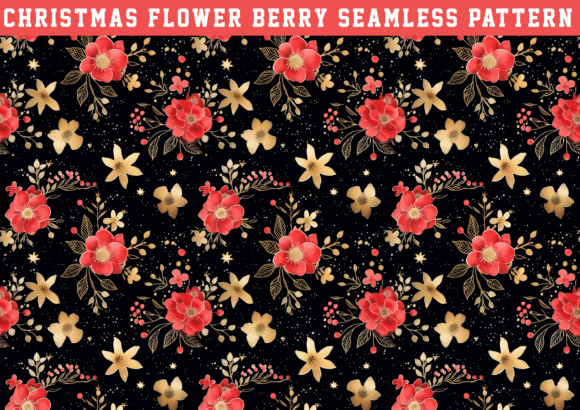
Christmas Flower Berry Seamless Pattern
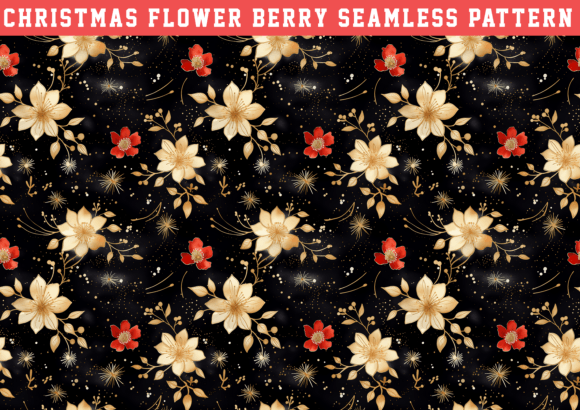
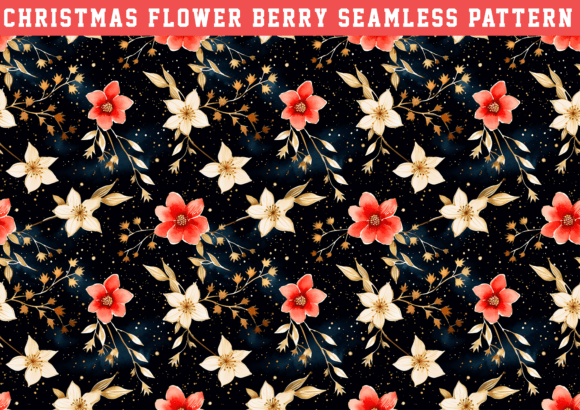
Opening a file like Christmas Flower Berry Seamless Pattern always brings a specific moment of curiosity. Before I even think about how it will stitch out or sit on a product, I look at the rhythm of the repeat, the way the shapes connect, and whether the overall mood actually matches what a customer would want to wear or gift. This one lands in a comfortable place. It feels festive without being loud, and the botanical elements have a hand-drawn softness that reads more like a textile print than a rigid digital tile. For embroidery designers and craft business owners, that kind of natural flow matters a lot, especially when you are planning to use a pattern as a backdrop for stitched elements or as a reference for color palettes on holiday merchandise.
Since this is a digital file, specifically a high resolution JPG at 2000 by 2000 pixels and 300 DPI, there is no physical item shipped. The download comes as a single Zip file containing the JPG, and the image arrives clean without watermarks. That is exactly what you want when you are pulling a design asset into a mockup, a sublimation layout, or even a fabric printing workflow. The seamless structure means you can tile it across larger surfaces without obvious breaks, which is a huge advantage when you are visualizing how a pattern might wrap around a tote bag, a pillow cover, or a piece of apparel.
First impressions from a designer's perspective
What I noticed right away is how the floral and berry motifs in Christmas Flower Berry Seamless Pattern feel balanced. Some holiday patterns tip too far into cartoon territory, and others get so dense that they suffocate the fabric. This one sits in a comfortable middle zone. The flowers have a gentle shape, the berries add small pops of accent, and the spacing between elements leaves enough room for the eye to rest. When I think about embroidery projects that would pair well with this pattern, I immediately picture stitched monograms or single motif designs placed on top of a fabric printed with this repeat. The contrast between a textured embroidered name and a smooth printed background can look incredibly professional in a boutique setting.
The color palette leans into traditional holiday warmth, but the tones feel muted enough to work beyond December. That is something I always look for. A pattern that can only be used for two weeks out of the year limits your product range, while one that hints at the season without screaming it lets you sell across a longer window. For small shop owners, that kind of versatility directly affects inventory planning and listing longevity on platforms like Etsy.
Real project scenario: a holiday tote bag with embroidered accents
Let me walk through a practical use case I had in mind when reviewing this design. A client wanted a set of custom tote bags for a holiday market, each featuring a family name embroidered on the front pocket. The base fabric was a natural cotton canvas, and we decided to print the Christmas Flower Berry Seamless Pattern onto the fabric before constructing the bags. The pattern repeat was tight enough that the seams did not interrupt the flow, and the soft floral motifs gave the bags a handmade, heirloom feel without looking overly manufactured.
On top of the printed pattern, we added a simple satin stitch monogram in a deep burgundy thread. The embroidery sat beautifully against the printed background because the pattern itself had breathing room. If the design had been too busy, the stitching would have gotten lost. If it had been too sparse, the bag would have felt unfinished. This balance is exactly what I look for when evaluating a seamless pattern for real product use. The customer reaction was strong, and several buyers asked if we would make matching kitchen towels and aprons. That told me the pattern had enough visual appeal to anchor a small product collection.
Where this pattern shines in embroidery-adjacent projects
Although this is a Graphics type file and not a digitized embroidery file, the value for embroidery-focused businesses is substantial. Here are several ways I can see this pattern being used effectively:
- Custom apparel mockups: Use the JPG as a fabric fill in digital mockups to show clients how a finished embroidered sweatshirt or t-shirt might look with a printed pattern base.
- Sublimation blanks: Print the pattern onto polyester-coated items like mugs, pillows, or tote bags, then add embroidered patches or stitched accents for a mixed-media product.
- Fabric printing for sewing projects: Upload the design to a fabric printing service and create custom yardage for aprons, baby blankets, or nursery decor that will later feature embroidered personalization.
- Packaging and branding: Use sections of the pattern as backgrounds for hang tags, thank-you cards, or product packaging inserts that reinforce a cohesive brand look.
- Etsy listing previews: Layer the pattern into listing images as a styled background to help buyers visualize the holiday mood of your embroidered products.
What makes Christmas Flower Berry Seamless Pattern work well across these applications is the seamless repeat. You can scale it up or down inside your design software, and the edges will always match. The 300 DPI resolution at 2000 pixels square gives you enough detail for crisp prints on smaller items like cosmetic pouches or baby bibs, and you can tile it without losing quality on larger surfaces like table runners or blanket panels.
Understanding the limits of a JPG pattern file
Every designer needs to know where a product works and where it struggles. This is a JPG file, which means it is a flattened raster image. It does not contain layers, and it is not a vector file. For embroidery digitizers who want to convert the motifs into stitch files, you will need to manually trace or auto-trace the elements in your embroidery software. The organic shapes of the flowers and berries are forgiving enough that a well-adjusted auto-trace should produce usable paths, but you will still need to clean up anchor points and adjust stitch angles by hand.
If you are planning to use this pattern on dark fabrics, test the print quality first. JPG files do not support transparency, so the pattern will sit inside a rectangular or square bounding box. On a white or light-colored fabric, this is seamless. On a dark fabric, you may need to adjust the print settings or use a white underbase if you are working with sublimation or direct-to-garment printing. Also, because the file is raster-based, extreme enlargement beyond the native resolution will introduce pixelation. For most embroidery-adjacent products like tote bags, pillow covers, and apparel panels, the 2000 pixel dimensions are more than adequate.
Thread color choices and stitch planning
When I look at a pattern like this, I am already mentally building a thread palette. The berry elements suggest rich reds, cranberries, and deep wine tones. The flowers lean toward softer creams, blush pinks, or muted ivories, and the greenery calls for olive, sage, or forest green threads. If you are digitizing select motifs from the Christmas Flower Berry Seamless Pattern for standalone embroidery designs, pick two or three focal elements rather than trying to replicate the entire repeat in stitches. A single flower cluster with a few berries and leaves can make a beautiful corner design for a napkin, a pocket accent on a sweatshirt, or a small patch.
Test your thread choices on a scrap of the actual fabric you plan to use. A thread color that looks perfect on the spool can shift dramatically against a printed background. I always recommend stitching a small sample, checking it under both natural and warm indoor lighting, and then adjusting one shade lighter or darker if the contrast feels off. For holiday products, customers expect a certain warmth in the overall look, and thread color is one of the easiest variables to control.
Stabilizer and fabric considerations
If you are printing this pattern onto fabric and then embroidering on top, your stabilizer choice becomes even more important. The printed layer adds a slight stiffness depending on the printing method, and you need a stabilizer that compensates without making the finished product feel boardy. For cotton canvas tote bags, a medium-weight cutaway stabilizer usually works well. For stretchy fabrics like jersey or knit sweatshirts, use a no-show mesh stabilizer and consider adding a water-soluble topper to keep the stitches from sinking into the printed surface.
I have learned the hard way that skipping a test run on the actual printed fabric is a mistake. The interaction between the ink, the fabric fibers, and the embroidery thread tension can surprise you. Run a small sample, wash it once, and see how everything holds up. If the pattern is printed with dye sublimation, the colors should stay vibrant through washing. If you are using a different printing method, confirm the colorfastness before committing to a full production run.
Product value and customer perception
There is a subtle but real difference between a product that looks handmade and one that looks homemade. A well-chosen Patterns asset like this one helps push your work toward the professional end of that spectrum. When a customer sees an embroidered gift with a coordinated printed background, they perceive the item as intentional and thoughtfully designed. The seamless repeat removes the telltale signs of a slapped-together layout, and the cohesive botanical theme gives the product a story that customers can connect with.
For Etsy sellers and craft fair vendors, the combination of a printed pattern base with embroidered personalization creates a product that feels premium without requiring a premium price point. The perceived value goes up because the item looks more complex than it actually is to produce. That is smart business thinking, and it starts with choosing the right design assets.
Practical notes before you start stitching
Here are the steps I take before using any digital pattern file in a client-facing embroidery project:
- Inspect the file at full resolution. Zoom in and check for any artifacts, compression noise, or uneven edges in the repeat. The JPG format uses lossy compression, so confirm the quality is acceptable at the size you intend to print.
- Test the seamless tile. Place two copies side by side in your design software and check that the edges align perfectly. A true seamless repeat should show no visible seam.
- Print a small swatch. Even if you plan to use a print-on-demand service, print a test on your home printer first to see how the colors and contrast translate to physical media.
- Check the scale against your hoop size. If you are digitizing elements from the pattern, measure the motifs against your available hoop sizes. A flower that looks small on screen might be too large for a 4x4 inch hoop once you convert it to stitches.
- Review licensing terms. Since this is a digital file, confirm what uses are allowed for commercial projects. Can you sell finished products featuring the pattern? Can you use it in client work? The product description indicates no physical item is sent and the file is free of watermarks, but always verify the license before integrating it into products you intend to sell.
- Create a black-and-white version. Desaturate the pattern in your software to check how the value structure holds up. This helps you understand whether the motifs will still read clearly if a customer orders a product in a different colorway or if you decide to print in grayscale.
Holiday gifting and boutique appeal
The gift market drives a significant portion of embroidery sales, and Christmas Flower Berry Seamless Pattern fits neatly into that space. I can see this working beautifully on personalized kitchen towels for a holiday hostess gift, on a baby's first Christmas onesie with an embroidered name, or on a set of cloth napkins for a seasonal table setting. The botanical theme feels celebratory but not childish, which broadens the appeal to adult recipients and home decor shoppers.
For boutique owners, the ability to offer coordinated product sets using the same pattern across different items creates a strong brand presence at markets and in online shops. A customer who buys an embroidered apron with this pattern might return for matching oven mitts, a table runner, or a set of guest towels. The seamless design makes it easy to scale the pattern to different product dimensions without redesigning anything.
When to use extra caution
No design works everywhere, and I want to be honest about where this pattern might need more careful handling. On very small items like embroidered patches or tiny zipper pouches, the repeat might feel cramped and the individual motifs could lose their shape. On highly textured fabrics like terry cloth or fleece, the printed pattern may not render cleanly, and the embroidery stitches on top could get distorted by the fabric pile. For curved surfaces like caps or hats, the seamless repeat will warp visually as the fabric stretches over the crown, so plan your placement carefully or consider using a simplified version of the pattern for those applications.
Also, if you are creating products that will go through frequent heavy washing, test the print durability first. The JPG file itself is high quality, but the longevity of the printed result depends entirely on your printing method, fabric choice, and ink type. I always wash a sample at least three times before listing a product for sale.
Final thoughts from the worktable
After spending time with Christmas Flower Berry Seamless Pattern, I can say it is a practical, attractive design asset for embroidery-focused craft businesses. It is not an embroidery file, so you will need to do your own digitizing if you want stitched versions of the motifs. But as a background pattern, a mockup element, a fabric print, or a branding tool, it delivers solid value. The seamless repeat is clean, the resolution is high enough for most product applications, and the festive botanical theme hits a seasonal sweet spot without being limited to a single holiday.
For embroidery designers, small shop owners, and creative entrepreneurs who want to expand their product lines with coordinated printed-and-stitched items, this pattern is worth a close look. Test it on your preferred fabric, pair it with a thoughtful thread palette, and build something that feels handmade in the best possible way.